UNIVERSITY OF PITTSBURGH
Gut Microbiome Remodeling & Protein Pacing
"Our groundbreaking findings provide compelling new evidence that the combination of high-protein shakes — incorporating protein pacing — and intermittent fasting are ideal for improving gut health, reducing gut issues, and modifying plasma metabolites and proteins favorable for weight and visceral (belly) fat decreases."
Key findings (8-week randomized controlled trial):
- More pronounced, favorable remodeling of the gut microbiome vs. a heart-healthy calorie-restricted diet.
- Plasma metabolome shifted toward improved fat-oxidation (fat-burning) pathways and overall metabolic health.
- Increases in cytokine proteins linked to fat burning, weight loss, and immune response.
- Significant reductions in GI symptoms — bloating, constipation, diarrhea — vs. the heart-healthy diet.
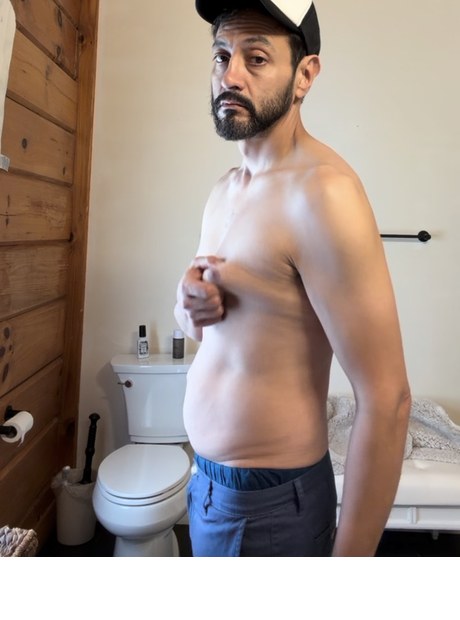
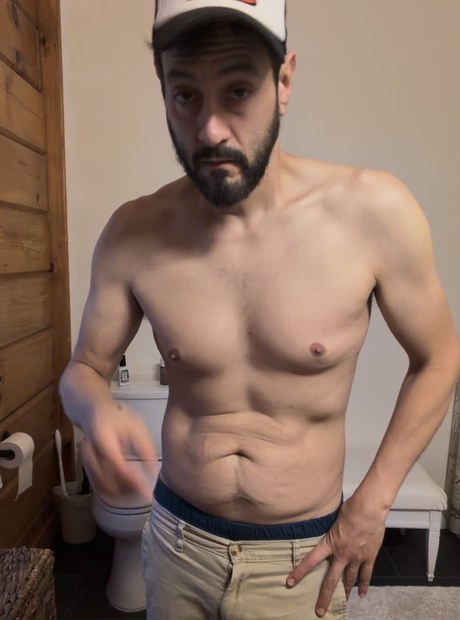
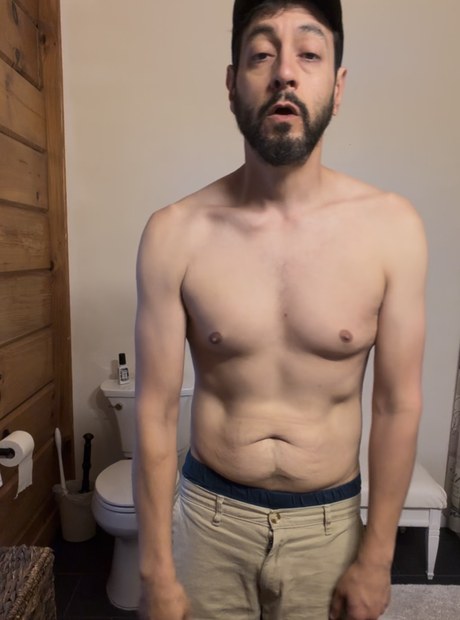
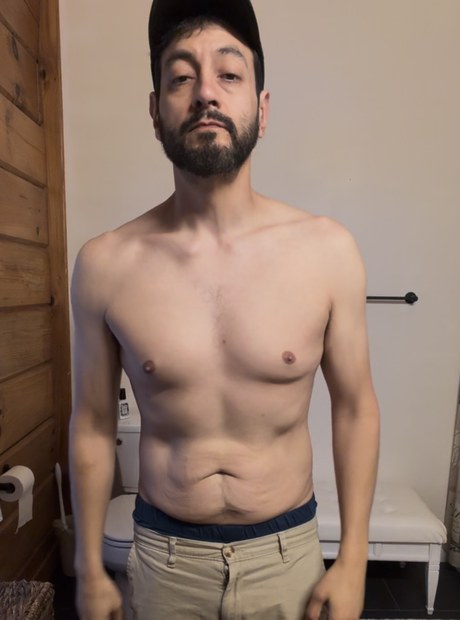
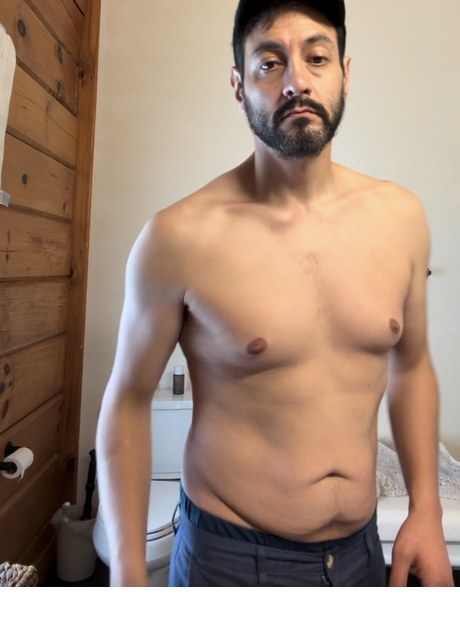
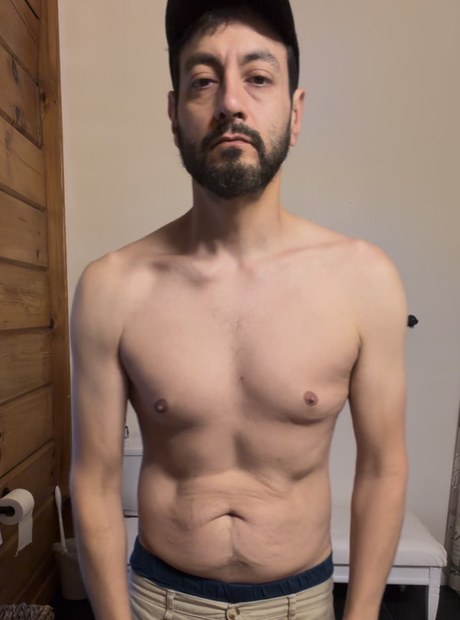
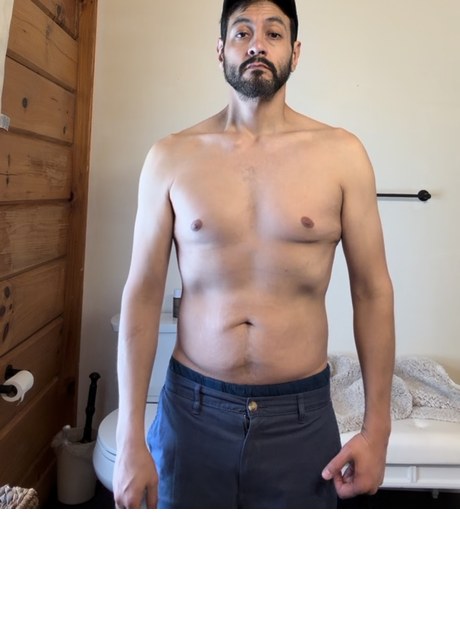
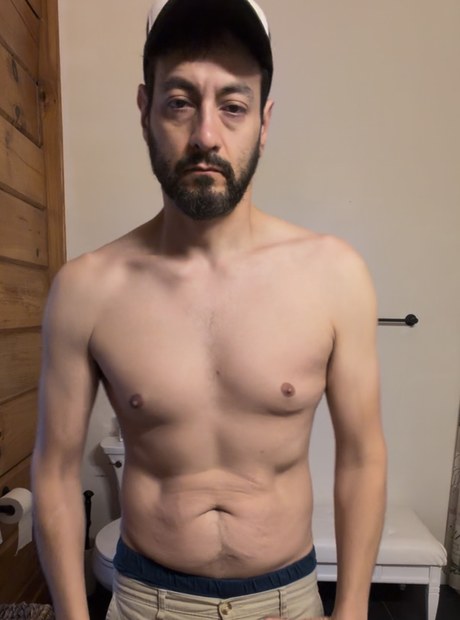
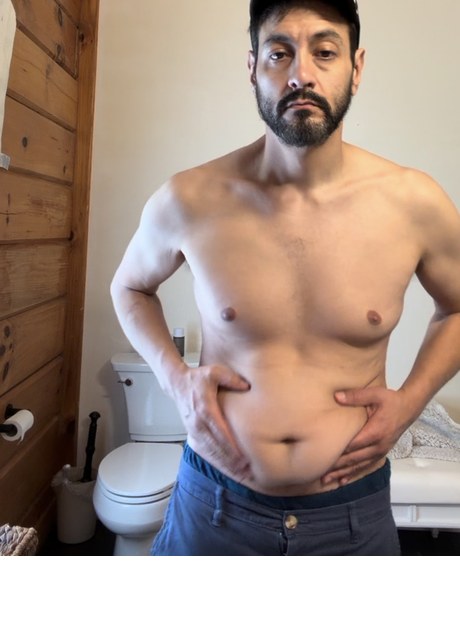
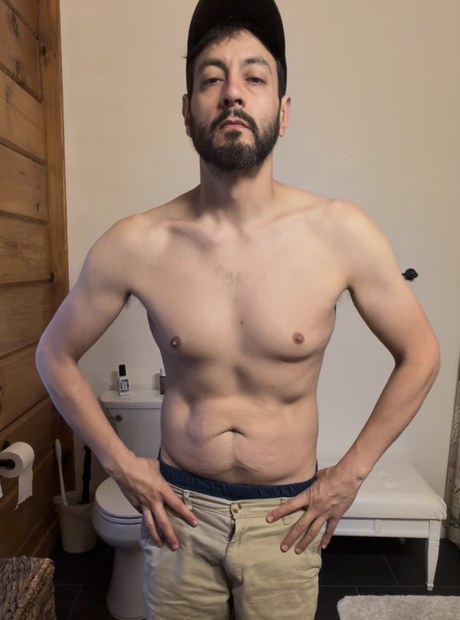
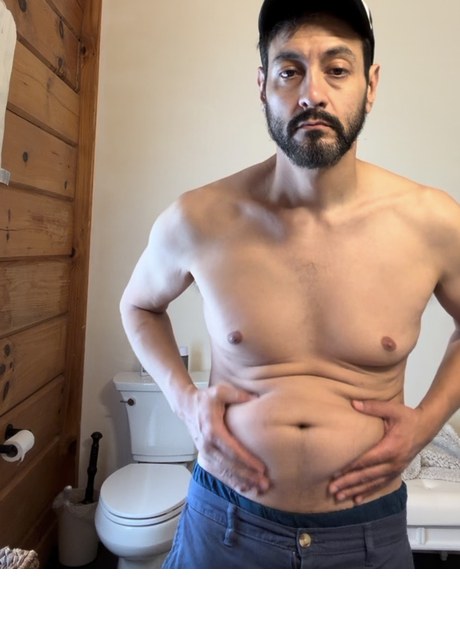
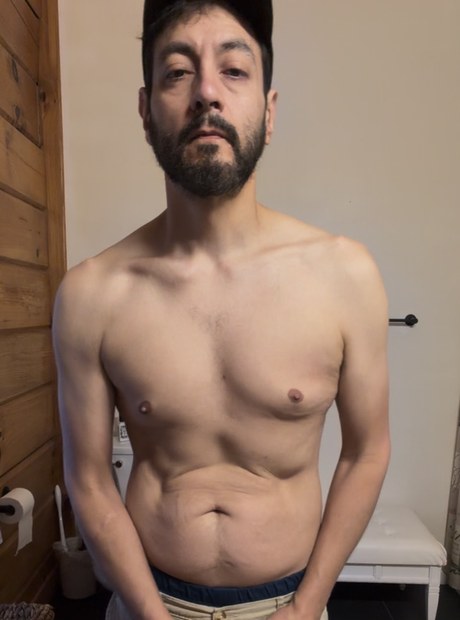
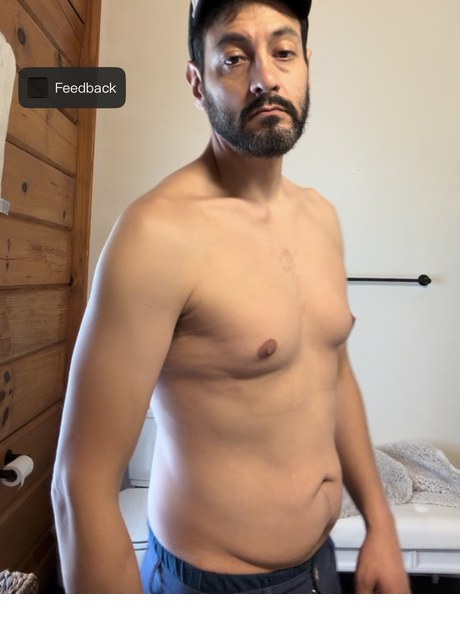
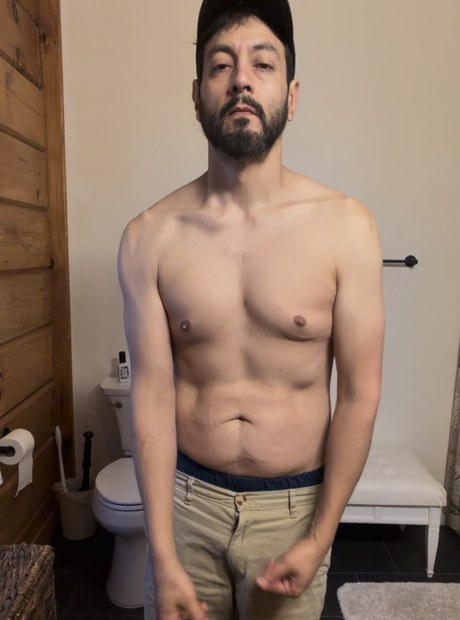
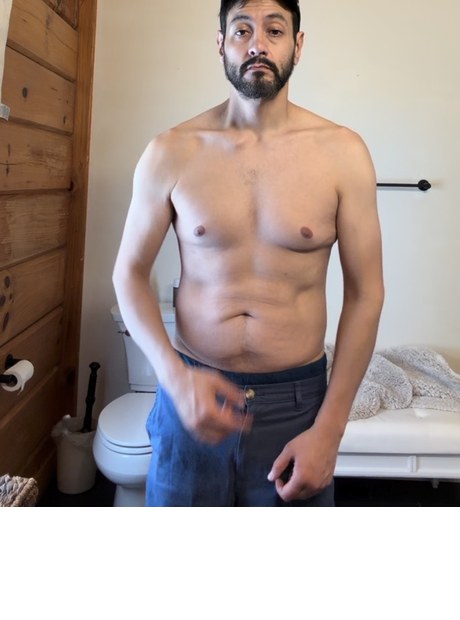
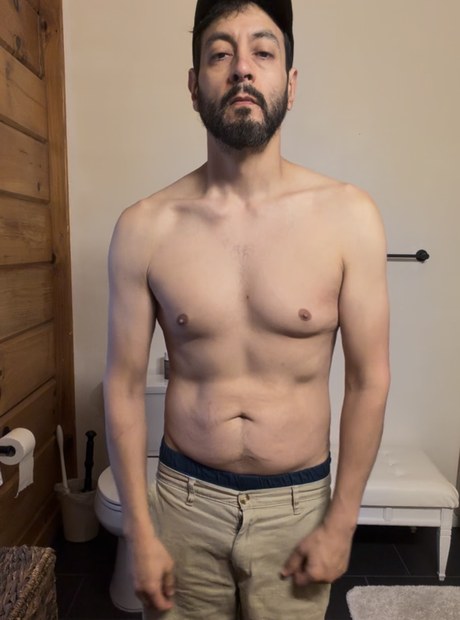
- Greater weight, total body fat, and visceral fat loss than the calorie-matched control diet.
Published in Nature Communications, 15, 4155 (2024). DOI: 10.1038/s41467-024-48355-5
References from this research line
- Mohr AE, et al. Gut microbiome remodeling and metabolomic profile improves in response to protein pacing with intermittent fasting versus continuous caloric restriction. Nat Commun. 2024;15(1):4155. PMID: 38806467
- Arciero PJ, et al. Intermittent fasting and protein pacing are superior to caloric restriction for weight and visceral fat loss. Obesity (Silver Spring). 2023;31 Suppl 1:139-149. PMID: 36575144
- Arciero PJ, et al. Intermittent fasting two days versus one day per week, matched for total energy intake and expenditure, increases weight loss in overweight/obese men and women. Nutr J. 2022;21(1):36. DOI: 10.1186/s12937-022-00790-0
- Mohr AE, et al. Exploratory analysis of one versus two-day intermittent fasting protocols on the gut microbiome and plasma metabolome in adults with overweight/obesity. Front Nutr. 2022;9:1036080. DOI: 10.3389/fnut.2022.1036080